The 64th edition of Salone del Mobile sent a clear signal to everyone paying attention: No longer just a platform, the fair wants to be a cultural institution. Whether it fully pulled this off is debatable. What isn't: This was the most structurally interesting Salone in years, and the brands that understood that showed up differently.
Collectible Design Enters the Chat Main Hall
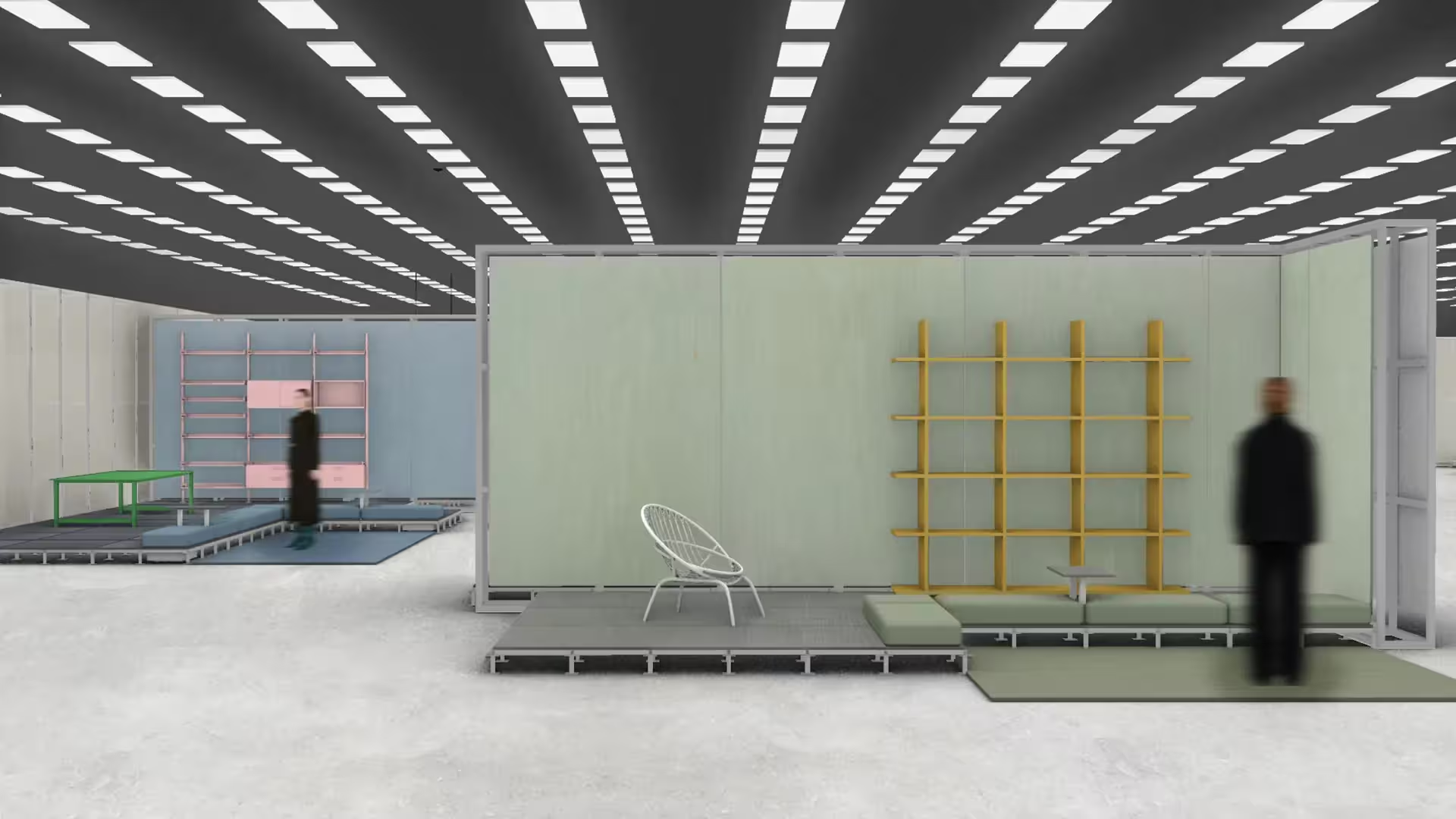
The single most significant development of the 2026 edition was the debut of Salone Raritas. Located inside the fair for the first time, the platform is dedicated to collectible design, limited editions, antiques, and high-end creative craftsmanship, bringing what had previously lived in the city's periphery into the heart of Rho Fiera. Xavier Lust's intricately mechanical gold satin-lacquered bar cabinet drew crowds, as did B&B Italia's return to the fair after a 25-year absence, with a Formafantasma-designed booth featuring a coffered ceiling and marble partitions.
Past Meets Present
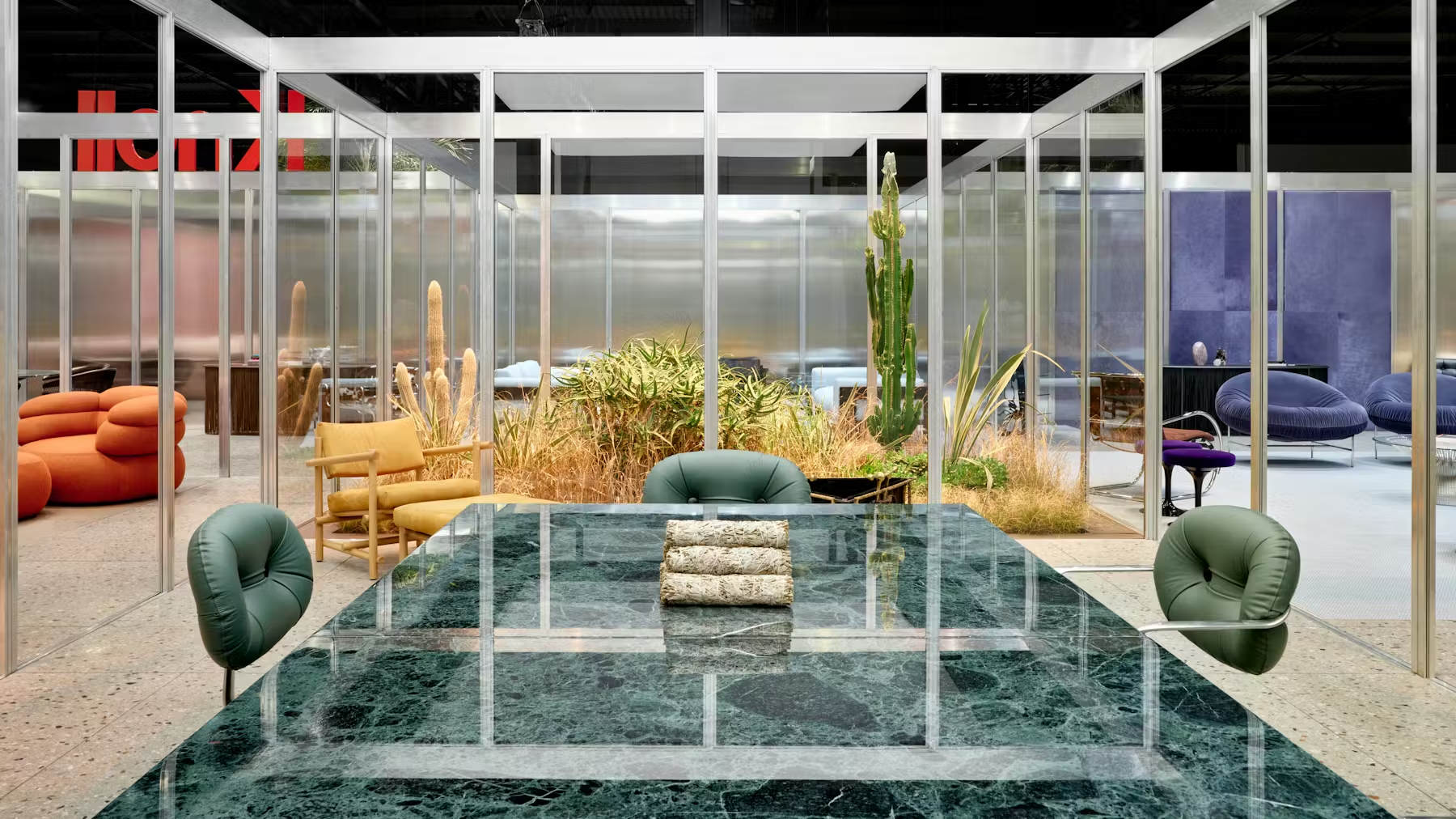
Knoll presented a portfolio spanning Mies van der Rohe and Eero Saarinen alongside new work by Dozie Kanu—precisely the kind of programming that justifies a legacy brand's continued relevance. Kanu's table collection, accented with leather fringe that references both African ceremonial dress and Black cowboy culture, gave Knoll's booth the cultural specificity that too many stands at Rho lack. It's one thing to own a great archive; it's another to know how to put it in conversation with genuinely challenging new voices. Cassina took a similar tack at 10 Corso Como, where Belgian designer Linde Freya Tangelder staged Fluid Re-Collection, placing her sculptural works in direct conversation with Cassina's production-scale furniture and lighting, letting visitors see how limited-edition and serially produced pieces can interact across scales.
The Pull of the Archive
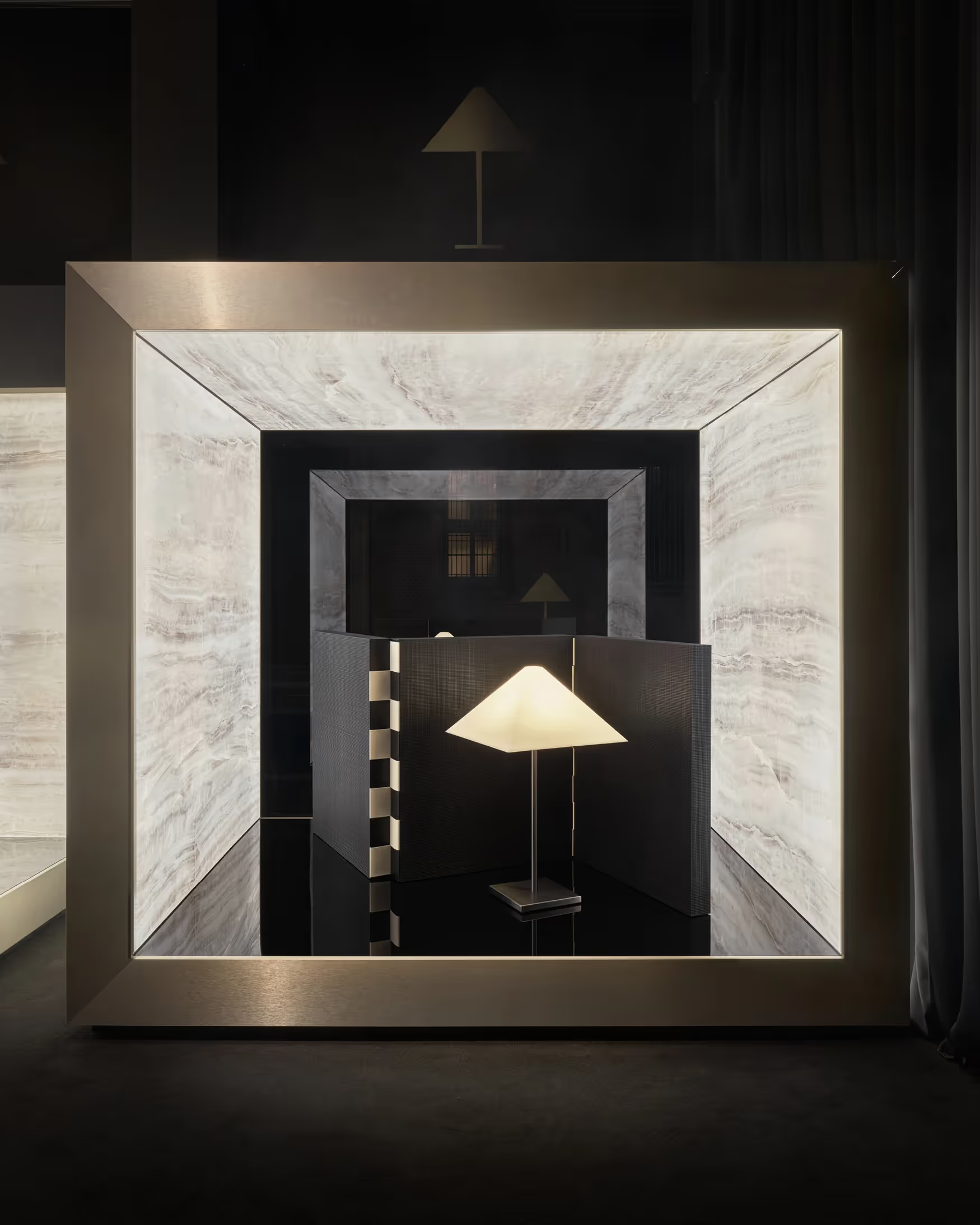
If there was a single macro-trend that cut across the week's most significant luxury activations, it was looking back to move forward. The Armani/Casa presentation carried particular weight this year as the first since the passing of Giorgio Armani last September. Titled Origins, the exhibition at the flagship on Corso Venezia 14, opened with eight signature pieces displayed in street-facing windows, each original shown alongside its latest evolution. The second floor shifted to immersive living environments referencing details from Armani's own homes through hand-painted watercolor backdrops, evoking his residences in Milan, St. Moritz, and Pantelleria. But that instinct was everywhere. Louis Vuitton revived and showcased its first-ever piece of furniture, a vanity table created in collaboration with designer Pierre Legrain in 1921. Chloé re-issued a 1970 Tomato chair, and Gucci's Demna filled San Simpliciano with tapestries mapping 105 years of the house. Provenance is a sales proposition, and brands that have it are leaning in hard.
A Sense of Wonder That Worked
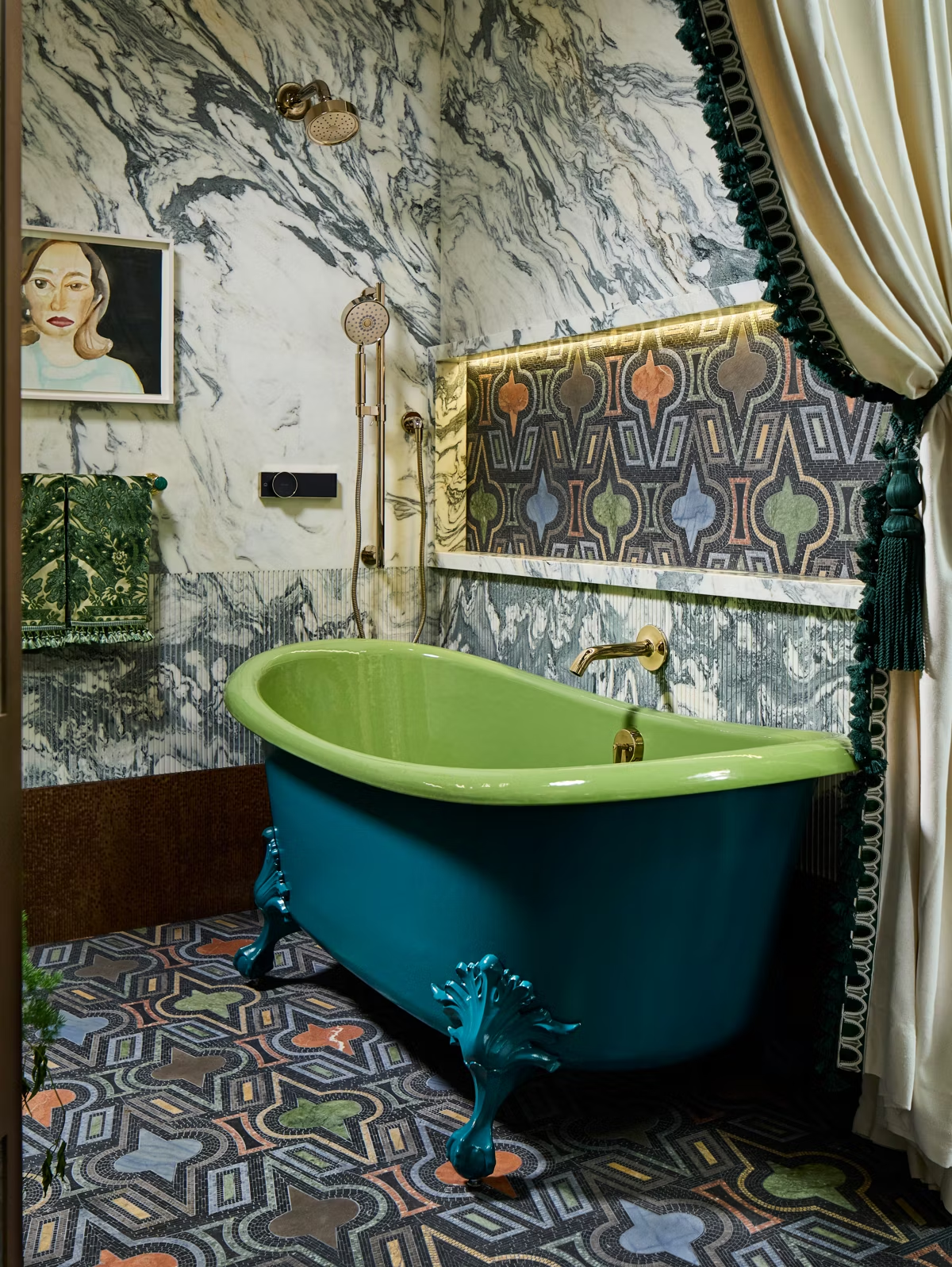
The most talked-about activation in the Porta Venezia Design District wasn't a fashion house; it was a plumbing brand. Kohler's installation materialized as a brutalist bathhouse set within a meadow of wildflowers. Inside, the Reverie bath—reimagined in copper, a first for the brand—sat as a focal point that earned its architectural context. At Palazzo Acerbi, a 17th-century baroque palace, H&M Home and LA-based designer Kelly Wearstler debuted a 29-piece collection of lighting, accessories, and modular furniture. The installation unfolded as a choreographed series of rooms built around themes of ritual and modularity, with a bespoke scent threading through the space; the full collection launches across 40 countries in September.
Last But Not Least: Paying It Forward
If the archive trend was luxury's answer to an uncertain moment, Homo Faber's Today's Masters Meet Tomorrow's Talents offered a different kind of reassurance: less about heritage, more about lineage. Over a six-month fellowship sponsored by the Michelangelo Foundation, 22 pairs of master artisans and emerging talents practicing 18 different crafts were tasked with producing an object that captures beauty deriving from craftsmanship and the relationship between an object and light. The resulting exhibition at Casa degli Artisti was one of the week's quieter rooms yet one of its most important, with highlights including a ceramic "sea monster" by master ceramicist Kartini Thomas and fellow Álvaro Nogueira, a glass installation by master glassmaker Adrienne Diamond and fellow Fiona Byrne, and a suspended sculpture woven from enamelled copper thread by master weaver Morgane Baroghel and fellow Maëva Louvel.